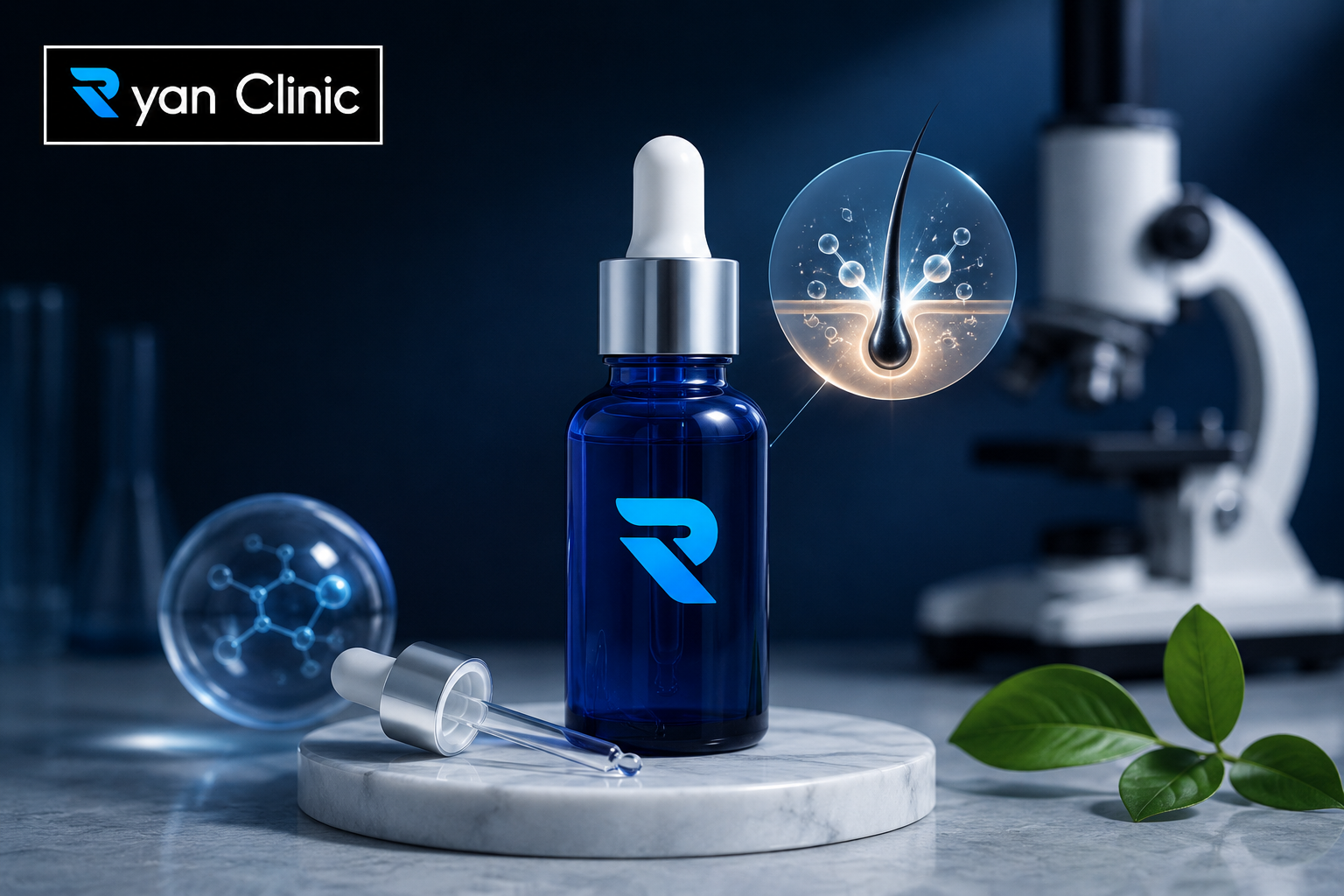
Learn how natural serums may support scalp recovery, nourish hair follicles, and improve post-transplant hair care when used correctly after a hair transplant procedure.
Learn how natural serums may support scalp recovery, nourish hair follicles, and improve post-transplant hair care when used correctly after a hair transplant procedure.
Hair transplant procedures have become one of the most effective and permanent solutions for hair loss. Whether someone undergoes a Hair Transplant in Delhi, Female Hair Transplant in Delhi, or Beard Transplant, proper aftercare plays a major role in achieving successful and natural-looking results. One of the most common questions patients ask after surgery is: “Should you use serum after a hair transplant?”
The answer is not a simple yes or no. Hair serums can support scalp hydration and hair health, but using the wrong product too early may affect healing and newly transplanted grafts. Understanding the right timing, ingredients, and post-operative care is essential for safe recovery and long-lasting results.
According to hair restoration experts, the scalp remains highly sensitive after a transplant procedure, and the first few weeks should focus mainly on healing and graft protection rather than experimenting with cosmetic products.
It’s important to understand the natural process of the scalp after hair transplant surgery before talking about natural serum products.
In Delhi,FUE hair transplant surgery extracts healthy hair follicles from a donor area and places them in a hair loss area. Small incisions are made in the scalp. The grafts are completely reliant on the blood supply of the recipient site and require some time to settle.
Your scalp will be very sensitive. Mild swelling and redness can appear. Small scabs will form around the grafts. Grafts are very delicate and can easily be dislodged.
The scabs will begin to naturally fall off. You may experience itching and dryness. The healing process will continue to improve. Grafts will begin to stabilize.
Some people may experience temporary shock loss during this time (this is completely normal). New growth of hair will begin to be noticeable. The condition of the scalp will continue to improve. In these early healing phases, the scalp continues to heal and introducing hair natural serums too early can cause irritation or inflammation of the scalp.
Yes, but it must be done at the right time.
As a general rule, surgeons advise against using cosmetic or medicated natural Natural serums post-surgery. In the absence of specific guidance from the clinic, the early application of natural serums following surgery can lead to skin irritation and compromise the integrity of skin grafts.
This generally means:
- First 10-14 days, hair natural serums should be avoided
- Only clinic-approved products should be used
- Growth-supporting serums can be used at a later time and with medical guidance
- Active ingredients and cosmetic formulations should not be applied to the scalp until it has completed the natural healing process.
It is understandable that many patients are worried about post-operative dryness, itching, or lack of hair growth. It is common for people to invest in hair serum to hopefully:
- Heal faster
- Gain hair growth
- Decrease hair loss
- Achieve a hydrated scalp
- Gain hair density
Although there are a few hair serums with the potential for advancement throughout recovery, the reality is that there are no "wonder serums." It is important to consider the following for a successful hair transplant:
The hair transplant surgery method
How the grafts are handled
The skill of the doctor
Following the aftercare instructions
The health and healing of the patient's scalp
Experts are saying that the best hair aftercare is more important than any of the hair products that are currently trending.
Not every product labeled a 'serum' is the same. This often causes patient confusion.
Hair serums are crafted to help hair look:
- Shiny
- Smooth
- Less Frizzy
They are not designed for scalps. They may be dangerous to use in the early days post surgery.
Moisturizing scalp serums may:
- Alleviate scalp dryness
- Improve moisture on the scalp
- Alleviate irritation
Surgeons may allow some serums to help scalp moisture during the recovery process.
Serums designed for hair growth may offer any combination of:
- Peptides
- Caffeine
- Biotin
- Plant extracts
These products are normally only allowed post surgery.
Medical Topical Treatments
Some clinics offer:
- Minoxidil
- Finasteride
- Medicated growth serums
These should never be ordered post surgery.
After the scalp has healed, supportive serums may be beneficial.
Pros
1. Hydration
The healing scalp may be tight and dry. A serum may offer comfort.
2. Less Itching
Serums may settle the irritation caused by dryness.
3. Better Hair Quality
Serums may help improve:
- Thickness of hair
- Texture of hair
- Strength of hair
4. Scalp Condition
A healing environment for the scalp can improve hair growth.
Serums are a part of a healthy scalp as a result of a hair transplant, but are not the only factor.
It is common to make mistakes in patient self-care, often showing up in the following ways.
- Serum is applied in the first days.
- Aggressive massaging of the scalp.
- Use of alcohol products.
- Use of social media "quick fixes".
- Use of unauthorized oils or "do-it-yourself" care.\
- Force scratching of scabs.
- Use of minoxidil without proper authorization.
Things need to be handled with care because the scalp is still in a delicate healing state.
The initial period after having a hair transplant at a Hairline Transplant Clinic, Delhi requires some form of 'self discipline', if you wish to enjoy the long lasting beauty of results.
Proposed Simple Routine -
Administered the way clinic personnel instruct, along with clinic approved shampoo.
Minimal Contact
No rubbing, scratching or any form of physical contact with the transplanted area.
Prevent exposure to sunlight, sweat or vigorous workout.
Stay hydrated and have a balanced diet.
Adhere to Medical Advice
Timelines, restrictions and all other forms of guidance should be scrupulously followed.
Transplant Aftercare plays a fundamental role in the survival of transplanted hair follicles. There are no alternative hair products that can mimic the role of proper transplant aftercare in ensuring that the follicles reasapt to their new environment.
For better hair quality and healing, a lot of patients in Delhi opt for PRP Treatment in conjunction with hair transplants.
PRP (Plasma-Rich Platelets) therapy uses the patient’s blood to activate hair follicles naturally.
Perks of PRP Treatment
Better blood flow
Healthier follicles
Less hair loss
Faster recovery
Hair grows stronger
PRP is generally a more medically monitored and safer approach than the alternative of using sketchy cosmetic products after the treatment.
After Female Hair Transplants in Delhi, women need more intense aftercare since women's scalps are more sensitive to haircare products after surgery.
Women should avoid:
Hair Sprays
Styling Serums
Heat Products
Chemical Treatments
until the scalp has healed.
Sensitive scalps after a transplant mean women require a more intense aftercare plan to achieve results that look natural and healthy.
Patients searching for 'eyebrow transplant near me' tend to ask whether eyebrow serums can be used after their procedure.
The answer is pretty similar, which means:
Don't apply cosmetics too soon
Allow time for stabilization of the transplanted follicles
Use only the post-op care products recommended by your doctor.
The areas where the eyebrow transplants are performed are even more delicate than in scalp transplant procedures, so be extra careful.
Please note the following:
Key Considerations
Texture is very important. Choose a lightweight serum.
Make sure there’s no alcohol.
Test your product dermatologically.
Fragrance-Free.
Look for scalp-support gentleness.
Things to Avoid
Strong formulations (chemicals)
Heavy oil (especially during early recovery)
Harsh Fragrances
Random internet recommendations (it’s a no brainer)
New products should always be validated with your clinic.
There is a great deal of variation in the recovery process of hair transplants. Some factors include:
The sensitivity of the skin
The number of transplants conducted
The condition of the scalp
The specific method used for transplant
The amount of hair loss present
All of these factors can impact aftercare instructions.
This is why expertly-trained individuals need to monitor recovery. After a hair transplant, patients need to consider clinics that are staffed by professionals rather than social media and their unverified claims.
Timing and medical guidance should help you determine if you want to use serum post hair transplant. Although certain growth supporting products and scalp serums could potentially aid recovery, too much too quickly harasses the healing process and could irritate the scalp.
Post op care shouldn’t even consider serums for the first few weeks. Focus should be on protecting the grafts, careful washing, and diligent post op care. This remains true regardless of your choice for Female Hair Transplant in Delhi, PRP Treatment in Delhi, Hair Transplant at Hairline Clinic in Delhi, or any other FUE Hair Transplant in Delhi. The result of your procedures hinges on your adherence to post op care recommendations to ensure the results are long lasting and look natural.
Ryan Turkey Hair Transplant Expertise Now In India offers patients advanced hair restoration systems and hair growth results that are safe, healthy, and natural via expert guidance and dedicated post op care.
1. Can I use serum right after hair transplant?
Surgeons likely prohibit serum use during the initial healing stage since the grafts remain delicate.
2. When is the right time to use hair serum after transplant?
Patients can generally start to use designated serum products after two to four weeks, based on the healing stage.
3. Can the results of the hair transplant be enhanced with serum?
Serum products help with the support and hydration of the scalp, but the main results of the hair transplant rely on the skill of the surgeon and the quality of the post-surgery care.
4. Can Female Hair Transplant in Delhi use serum?
Yes, but only after the scalp has healed and with the permission of a medical practitioner.
5. Is PRP better than hair serum after a transplant?
PRP Treatment in Delhi is a medical procedure and is believed to have a better overall impact on the support of the healing of the scalp post hair transplant.
6. Why is the post-care stage important after an FUE Hair Transplant in Delhi?
Post-care the transplanted grafts and will also help in the healing stage of the grafts, as well as help in the growth of the hair in the areas where it was transplanted.
Book Your Free Consult Now!