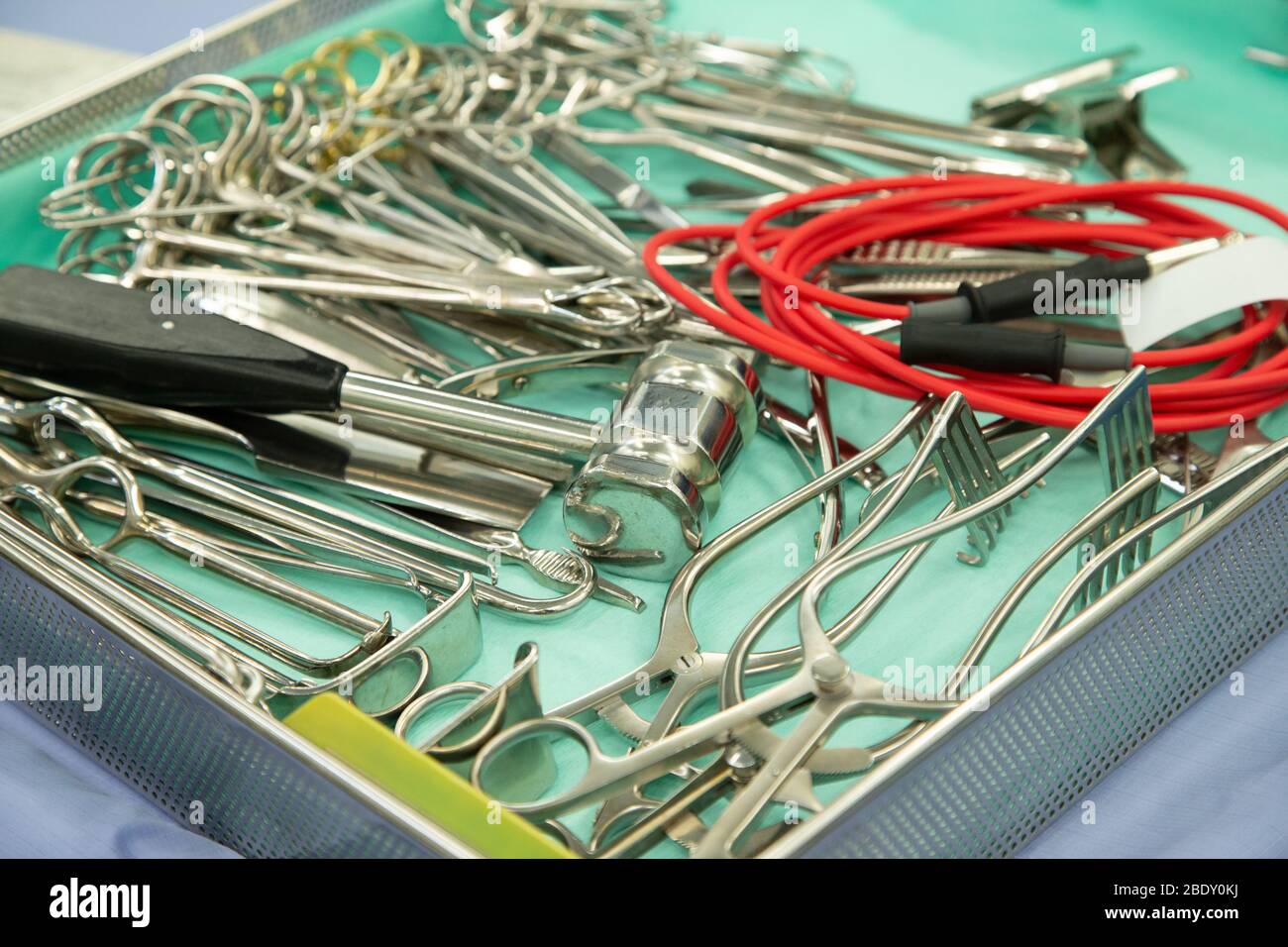
Description: Being HBsAg or HCV positive is not a contraindication. What decides suitability is liver function, not viral status.
Description: Being HBsAg or HCV positive is not a contraindication. What decides suitability is liver function, not viral status.
Yes. Being hepatitis B or C positive is not a medical contraindication to a hair transplant. What determines whether surgery is safe is liver function — not viral status. If your liver is working normally, your platelets and clotting are in range, and you have clearance from the physician managing your hepatitis, the surgery itself is the same operation performed on any other patient.
Key points :
A properly equipped clinic already treats every patient as potentially infectious — that is what universal precautions mean
The clinical question is liver function: platelets, clotting time, albumin, bilirubin and evidence of fibrosis
Advanced liver disease is the real constraint, because it affects bleeding and drug metabolism
Local anaesthetic is processed by the liver, so the maximum safe dose is lower in significant impairment
Paracetamol needs caution in liver disease, which reverses the usual post-operative advice
Hepatitis C is now curable in most people — treating it first is often the better sequence
Yes. Neither infection is, by itself, a reason to refuse surgery.
This is worth stating plainly, because many people reading this have already been told otherwise. Refusal based only on a positive HBsAg or HCV report is not a clinical judgement — it is a statement about the clinic’s protocols, equipment or willingness, not about your suitability for the procedure.
The reasoning is straightforward. Every reputable surgical facility operates on the principle of universal precautions: every patient’s blood is handled as though it may be infectious, because a meaningful proportion of people carrying hepatitis B or C do not know they have it. A clinic that is safe for you is a clinic that was already safe for everyone. One that cannot accommodate you is telling you its standard practice depends on hoping patients are negative.
The surgically relevant question is how much liver function has been affected. Chronic hepatitis ranges from an inactive carrier state with entirely normal liver function through to cirrhosis, and the surgical implications differ enormously across that range.
Where liver function is normal, a hair transplant proceeds essentially unchanged. Where there is significant fibrosis or cirrhosis, three things change:
Clotting. The liver produces most clotting factors. Impairment lengthens clotting time, and in a procedure involving thousands of small incisions, that means more bleeding.
Platelets. Advanced liver disease frequently lowers the platelet count, compounding the same problem.
Drug handling. Local anaesthetic and several common post-operative medicines are metabolised by the liver.
So the assessment is not “are you positive” but “what do your liver reports show.
Alongside the standard pre-surgery panel every patient has:
Liver function tests — ALT, AST, bilirubin, albumin, alkaline phosphatase
Prothrombin time and INR — the direct measure of clotting capacity
Complete blood count, with attention to the platelet count
Viral status and activity — HBsAg, HBeAg and HBV DNA for hepatitis B; HCV RNA for hepatitis C
An assessment of fibrosis where indicated — commonly FibroScan or an equivalent, arranged by your hepatologist
Kidney function, since it affects medication choices alongside the liver
Written clearance from the physician or hepatologist managing your hepatitis
Surgeons generally want the platelet count and INR within normal limits before elective surgery. Where they are borderline, the decision belongs to the treating physician and the surgeon together, and sometimes the answer is to treat first and operate later.
Bring your most recent reports to the consultation, along with the name of the doctor managing your hepatitis. It saves a wasted appointment.
This is the part most relevant to you and least discussed anywhere.
Local anaesthetic is metabolised by the liver. A hair transplant uses a substantial volume of lignocaine-based tumescent anaesthesia across a long session. In significant hepatic impairment, clearance is slower, so the maximum safe dose is lower and the surgeon plans accordingly — smaller total volumes, staged infiltration, and in some cases a shorter session or a split across two days.
Paracetamol requires caution in liver disease. This reverses the advice given to most patients. Paracetamol is normally the first-choice painkiller after a hair transplant, and for someone with a hypertensive or cardiac history it is specifically preferred over NSAIDs. In liver impairment, the calculation changes: paracetamol is processed by the liver and the safe daily limit may be reduced, or another option chosen.
Do not resolve this yourself. Ask your surgeon and the physician managing your hepatitis what you should take, in what dose, before you leave the clinic — and mention any paracetamol-containing combination products you already use, since they are easy to miss.
If you also have high blood pressure or a cardiac history, say so, because the usual alternative to paracetamol is a group of drugs you may need to avoid for a different reason. This is exactly the situation where the two doctors need to talk to each other.
Hepatitis C is now curable in the large majority of people with a course of direct-acting antiviral tablets, typically taken for 8 to 12 weeks. Cure rates with modern regimens are high, treatment is widely available in India, and generic pricing has brought it within reach for most patients.
If you are HCV positive and have not been treated, the sensible sequence is usually: see a hepatologist, complete treatment, confirm the virus has cleared, then plan the transplant. You end up with better liver function, a simpler surgical assessment, fewer medication constraints — and, far more importantly, the infection is gone.
A hair transplant is elective. It will wait three months. This is one of the few situations in this entire cluster where “come back later” has a genuinely large benefit attached to it.
Hepatitis B is managed rather than cured in most cases, with antiviral therapy where indicated. If you are on treatment, continue it as prescribed; it does not conflict with the surgery.
The honest answer is: less than you might expect, because most of it should already be happening.
Single-use punches, blades, needles and implanters, disposed of after one patient — standard practice, not an accommodation
Autoclave sterilisation of any reusable instrument, with documented cycles
Full barrier precautions — gloves, gowns, eye protection — worn for every patient
Correct sharps handling and biomedical waste disposal, as required under Indian biomedical waste rules
Hepatitis B vaccination for all clinical staff, and a written post-exposure protocol
A defined surgical scheduling policy, which some clinics apply as an additional precaution
Questions worth asking any clinic, whatever your status:
Are punches, blades and implanters single-use, and can I see them opened?
Is your clinical team vaccinated against hepatitis B?
What is your instrument sterilisation protocol, and is it documented?
How is biomedical waste handled?
A clinic that answers these easily is one that was safe before it knew your status. Those are also the right questions for the reader who has no infection at all — which is the point.
You must disclose. Withholding a known positive status is unfair to the clinical team and can compromise your own care, since it affects anaesthetic dosing and medication choices. Your reports also form part of the standard pre-operative panel, so it will be identified in any case.
Your status is confidential. It should be known to the clinical team treating you and to nobody else. It should not be discussed in a waiting area, written on documents visible to other patients, or disclosed to family members without your consent.
You are entitled to be treated with ordinary courtesy. Being scheduled at a particular time of day for infection-control reasons is a legitimate protocol. Being made to feel like a problem is not.
Any additional charge must be disclosed in advance and explained. Some clinics levy a sterilisation or consumables charge. There can be a real cost behind it — dedicated instruments, extended autoclave cycles, additional disposables. What is not acceptable is a charge that appears on the bill on the day, or one that is plainly punitive rather than related to actual cost. Ask before you book, and get the figure in writing. Full pricing is on our hair transplant cost page.
You can ask why. If a clinic declines, you are entitled to a reason. “We are not equipped for it” is an honest answer. Silence or evasion tells you something else.
Active hepatitis with significantly deranged liver function tests
Cirrhosis with impaired clotting, low platelets or evidence of decompensation
INR or platelet count outside the range your surgeon and physician consider safe
Hepatitis C that is untreated, where curing it first is the better sequence
No clearance from the physician managing your hepatitis
Any acute illness, as for any patient
Notice that a positive report is not on this list. What is on it are findings — and most of them are treatable, after which the surgery becomes straightforward. Every surgery at Ryan Clinic is planned and performed by the doctors, on the basis of your reports rather than your diagnosis.
Ryan Clinic screens every patient for HIV, hepatitis B and hepatitis C as part of the standard pre-operative panel, and operates on universal precautions for every case regardless of result.
[CONFIRM AND ADD — and only publish this article if the answers are yes: whether you accept HBsAg and HCV positive patients; your instrument policy (single-use, and what is reusable); whether your clinical staff are hepatitis B vaccinated; your sterilisation and biomedical waste protocol; whether you schedule such cases at a particular time and why; whether any additional charge applies and exactly what it covers; your liver function and platelet/INR thresholds; whether you require hepatologist clearance in every case.]
Free scalp analyses are available at our Delhi, Mumbai and Hyderabad centres.
Book a free scalp analysis — bring your recent liver function reports and the details of the doctor managing your hepatitis.
Yes. A positive HBsAg report is not a medical contraindication. Suitability depends on liver function — platelet count, clotting time and evidence of fibrosis — together with clearance from the physician managing your hepatitis, not on viral status alone.
Generally yes, where liver function is preserved. Because hepatitis C is curable in most people with an 8–12 week course of antiviral tablets, many physicians recommend completing treatment first, which simplifies both the surgical assessment and the medication choices afterwards.
Usually because of instrument, sterilisation or protocol limitations rather than a clinical judgement about the patient. Facilities using universal precautions and single-use instruments are already equipped for every patient, since many people carrying these infections are unaware of it.
Liver function tests, prothrombin time and INR, a complete blood count including platelets, viral activity markers such as HBV DNA or HCV RNA, a fibrosis assessment where indicated, kidney function, and written clearance from your treating physician or hepatologist.
Not in itself. Graft survival depends on surgical technique, graft handling and your donor supply. Advanced liver disease can affect bleeding during surgery, which is why clotting and platelet counts are checked beforehand rather than assumed.
Not without advice. Paracetamol is metabolised by the liver, so the safe dose may be reduced or a different painkiller chosen. Ask your surgeon and the doctor managing your hepatitis before leaving the clinic, and mention any combination products you already take.
Some do, for dedicated instruments and additional sterilisation. Any such charge should be disclosed and explained before booking, and given in writing. A charge that appears only on the day of surgery is a reason to question it.
Yes. It affects anaesthetic dosing and post-operative medication choices, so withholding it can compromise your own care. Viral screening is part of the standard pre-operative panel in any case, and your status should be kept confidential to the treating team.
For more on planning a hair transplant, browse our more guides.
Sources :
World Health Organization — guidelines on hepatitis B and hepatitis C infection, and on injection and infection-control safety.
National Viral Hepatitis Control Programme, Ministry of Health and Family Welfare, Government of India — testing and treatment guidance.
Indian National Association for Study of the Liver (INASL) — consensus guidance on chronic hepatitis B and C management.
Biomedical Waste Management Rules, Government of India — handling and disposal requirements for clinical waste and sharps.
Published literature on local anaesthetic pharmacokinetics and paracetamol dosing in hepatic impairment.
International Society of Hair Restoration Surgery (ISHRS) — surgical standards and infection-control practice.
About the author Dr. Pranendra Singh is a hair restoration surgeon at Ryan Clinic, Delhi, specialising in Sapphire FUE. Read full profile →
Medical disclaimer: This article is general information and does not replace medical advice. Liver function assessment, medication dosing and surgical clearance must be decided by the physician managing your hepatitis together with your surgeon. Do not change any medication, including over-the-counter painkillers, on the basis of this article.
Book Your Free Consult Now!