Diabetes doesn't rule out a hair transplant — but it does change how one is planned. Learn the safe HbA1c threshold, how healing and infection risk differ, which medications need physician clearance, and the post-op steroid warning most clinics don't mention.
Diabetes doesn't rule out a hair transplant — but it does change how one is planned. Learn the safe HbA1c threshold, how healing and infection risk differ, which medications need physician clearance, and the post-op steroid warning most clinics don't mention.
Yes, diabetic patients can safely have a hair transplant if blood sugar is well controlled. Most surgeons require an HbA1c below 7% and written clearance from the treating physician before scheduling. Above 8%, surgery is usually postponed until control improves — which takes about three months, because that is what HbA1c measures.
Key points :
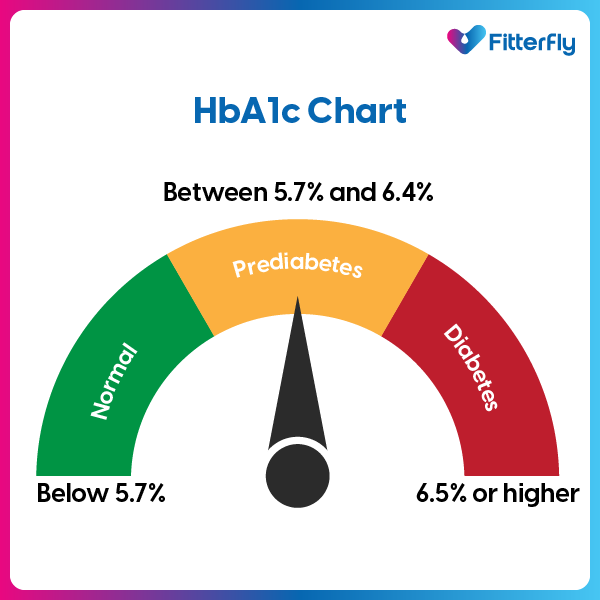
HbA1c below 7% is the usual threshold; 7–8% is a case-by-case decision; above 8% means postpone
Written clearance from your physician or endocrinologist is standard, not a formality
Uncontrolled diabetes raises infection risk and slows wound healing by roughly 2–3 days
With good control, graft survival and results are comparable to non-diabetic patients
Hair transplant is done under local anaesthesia and you eat normally during the day — a real advantage over surgery requiring fasting
The post-op steroid warning matters most: short steroid courses given for forehead swelling raise blood glucose for several days
Yes. Diabetes is not a bar to hair restoration surgery. It is a condition that changes how the surgery must be planned, monitored and followed up.
The reason it needs planning is straightforward. Persistently high blood glucose impairs the immune response and narrows small blood vessels. Both matter here, because a hair transplant is thousands of tiny wounds in two areas of skin, and every transplanted graft depends on new blood supply reaching it within the first few days. Well-controlled diabetes interferes with none of that meaningfully. Poorly controlled diabetes interferes with all of it.
So the question a surgeon actually asks is never “are you diabetic?” It is “what is your HbA1c, and who is managing it?
HbA1c | What it means | Usual surgical decision |
|---|---|---|
Below 6.5% | Excellent control | Proceed as normal |
6.5–7.0% | Good control | Proceed, standard diabetic precautions |
7.0–8.0% | Fair control | Case-by-case; physician clearance essential; may proceed with a shorter session |
Above 8.0% | Poor control | Postpone. Optimise control first |
Above 9% | Significant risk | Do not operate. Refer back for management |
Below 7% is the threshold most hair restoration surgeons use. It is not a legal rule — it is the point at which the wound healing and infection data stop being a concern.
Alongside HbA1c, surgeons normally want fasting glucose in the 80–140 mg/dL range and random or post-meal glucose under about 180–200 mg/dL in the days around surgery.
HbA1c reflects your average blood glucose over roughly the previous three months. If yours is 8.6% today, bringing it under 7% is a 10–12 week project with your physician, not a two-week diet. That is frustrating to hear when you have decided to go ahead — but a clinic that offers to operate next week on an HbA1c of 9% is telling you something important about how it makes decisions.
In poorly controlled diabetes, the specific concerns are:
Infection. High glucose impairs white cell function. Recipient-site folliculitis and donor-area infection are both more likely, and harder to clear.
Delayed healing. Scabs take longer to separate, donor punch sites close more slowly — typically 2–3 days longer than a non-diabetic patient, sometimes more.
Reduced graft survival. Microvascular disease can limit how quickly new blood supply reaches implanted follicles during the critical first 72 hours.
Poor donor-area healing. In long-standing diabetes with peripheral circulatory changes, the donor zone can heal slowly or leave more visible marks.
Glucose instability on the day. A long procedure, stress hormones and a disrupted eating routine can all move your numbers.
Slower response if something goes wrong. A minor infection that would resolve in days in a non-diabetic patient can take weeks.
In well-controlled diabetes, none of these is expected to be significantly different from a non-diabetic patient. That is the whole point of the threshold.
What clearance and tests do I need?
Bring these to your consultation, and expect the clinic to ask for them before confirming a date:
HbA1c, done within the last 4–6 weeks
Fasting and post-prandial blood glucose, recent
Written clearance from your physician or endocrinologist, naming the procedure
Complete blood count
Kidney function (creatinine, urea) — diabetes affects kidneys and some post-op medication is renally cleared
ECG, generally if you are over 40 or have had diabetes for more than 10 years
HIV, HBsAg and HCV screening, which any clinic should require of every patient regardless of diabetes
A current list of every medication and dose, including insulin
Tell the surgeon about complications too — retinopathy, neuropathy, nephropathy, any history of foot ulcers or slow-healing wounds. A history of poor wound healing anywhere on your body is the single most useful thing you can disclose, and it changes surgical planning more than the HbA1c number does.
Your treating physician decides this, not the hair transplant clinic and not this article. But here is what usually applies, so you know what to ask:
Medication | Typical approach |
|---|---|
Metformin | Usually continued; no fasting is required for this surgery |
Sulfonylureas (glimepiride, gliclazide) | Dose may be adjusted if meals are delayed — hypoglycaemia risk |
Insulin | Dose and timing often adjusted; carry your pen and glucometer |
SGLT2 inhibitors (dapagliflozin, empagliflozin) | Sometimes paused before procedures; ask your physician specifically |
Blood thinners, if also prescribed | Separate decision — surgeon and physician together |
One genuine advantage of hair restoration: it is performed under local anaesthesia, you are awake, and you eat and drink normally through the day. You are not fasted for hours as you would be for surgery under general anaesthesia. For a diabetic patient, that removes the most common cause of intraoperative trouble
Take the first slot of the day. Morning surgery means less disruption to your meal and medication routine.
Bring your glucometer. Expect your sugar to be checked before, during and after — typically every 2–3 hours through a long session.
Bring your usual food. Not a hotel sandwich at hour six. Your normal diabetic diet, on your normal schedule.
Expect a planned meal break. A Sapphire FUE session of 2,500–3,000 grafts runs 8–10 hours; that is two meals, not an inconvenience to be skipped.
Carry glucose tablets or juice for a hypoglycaemic episode.
Bring someone with you. Standard advice for everyone; more useful here.
Ask whether the session should be split. For a large graft count with borderline control, two shorter days is safer than one very long one.
This is the most important paragraph on this page.
Many clinics prescribe a short course of oral steroids after a hair transplant to reduce forehead and eyelid swelling. Steroids raise blood glucose — often substantially, for several days, in a patient whose diabetes was otherwise stable.
If you are diabetic:
Say so clearly, before anything is prescribed. Not on the consent form. Out loud, to the surgeon.
Ask whether steroids are necessary in your case, or whether swelling can be managed with head elevation, a headband and cold compresses instead.
If steroids are given, monitor your glucose more frequently for the whole course and the two days after, and tell your physician the dose and duration.
The same applies to any pain medication that could affect your kidneys, which is why the surgeon needs your creatinine result.
Most of it is the same. What changes is vigilance :
Watch for infection every day for two weeks. Spreading redness, increasing rather than decreasing pain after day 3, pus, or fever. Report any of these the same day, not at the next scheduled visit.
Keep glucose in range during healing. This is when control matters most. A spike in week one is a healing problem, not just a number.
Expect scabs to take 2–3 days longer to clear. Do not pick at them to speed it up.
Complete the full antibiotic course, even if everything looks fine.
Attend follow-ups in person at day 1, around day 10, and at month 1. Remote checks are less useful when infection risk is higher.
Avoid sweat-heavy activity for longer than the standard advice if healing is visibly slower.
With HbA1c under 7% and no significant microvascular complications, there is no reason to expect a meaningfully different result. Graft survival depends on the surgeon’s extraction and implantation technique, graft handling and your donor supply — the same variables as for anyone else.
What is genuinely different is the margin for error. A non-diabetic patient can get away with a minor infection or a skipped antibiotic. A diabetic patient has less room. That is an argument for choosing carefully, not for choosing nothing.
Not all hair loss in diabetic patients is male or female pattern baldness. Diabetes and its complications can cause hair thinning through several other routes — thyroid disease (which often accompanies diabetes), iron deficiency, medication effects, and reduced circulation to the scalp.
A transplant moves hair. It does not treat any of those. If your thinning is diffuse rather than patterned, or it started suddenly, that deserves a diagnosis before it deserves surgery.
When we will decline to operate
Plainly, so you are not surprised at the consultation. A surgery should be postponed if:
HbA1c is above 8% and not being actively managed
There is an active infection anywhere, including a foot ulcer or a dental abscess
Diabetes is newly diagnosed and not yet stabilised
There is significant untreated cardiac disease, or physician clearance has not been given
There is a history of severe wound-healing failure
“Postponed” is the operative word in almost every case. Most patients who are turned away in March are operable by July. Every surgery at Ryan Clinic is planned and performed by the doctors, which includes making that call when it is the right one.
Ryan Clinic treats diabetic patients as a planned pathway rather than an exception: HbA1c and physician clearance reviewed before a date is confirmed, glucose monitored through the procedure, and a follow-up schedule with closer early checks.
[CONFIRM AND ADD: your HbA1c cut-off and whether it differs from 7%; whether you require clearance from the treating physician in every diabetic case; your intraoperative glucose monitoring interval; whether you routinely prescribe post-op oral steroids and what the diabetic alternative is; whether you split large sessions for diabetic patients; number of diabetic cases treated, if you are willing to publish it.]
Free scalp analyses are available at our Delhi, Mumbai and Hyderabad centres, and full pricing is on our hair transplant cost page.
Book a free scalp analysis — bring your most recent HbA1c report and we will tell you honestly whether now is the right time.
Yes, if blood sugar is well controlled. Most surgeons require an HbA1c below 7% and written clearance from the treating physician. Well-controlled diabetic patients heal and grow hair comparably to non-diabetic patients; poorly controlled diabetes raises infection and healing risks.
Below 7% is the commonly used threshold. Between 7% and 8% is a case-by-case decision with physician clearance. Above 8%, most surgeons postpone until control improves, which takes about three months since HbA1c reflects a three-month average.
Surgeons generally want fasting glucose between 80 and 140 mg/dL and post-meal or random glucose under about 180–200 mg/dL in the days around surgery, alongside an HbA1c under 7%.
Usually 2–3 days longer for scabs to clear and donor sites to close, and sometimes more in long-standing diabetes. With HbA1c under 7%, the difference is small. Poor control extends it considerably and raises infection risk.
Only on your physician’s instruction. Hair transplants are done under local anaesthesia with normal eating, so most medication continues unchanged. Sulfonylurea and insulin doses may be adjusted, and some drugs such as SGLT2 inhibitors may be paused — ask specifically.
Yes. Short oral steroid courses prescribed for post-operative swelling can raise blood glucose significantly for several days. Tell your surgeon you are diabetic before anything is prescribed, ask whether steroids can be avoided, and monitor glucose more frequently if they are used.
Not in well-controlled diabetes. Graft survival depends mainly on surgical technique and graft handling. Uncontrolled diabetes can reduce it, because microvascular changes limit blood supply reaching implanted follicles in the first 72 hours.
Yes, on the same basis as type 2 — controlled HbA1c, physician clearance and glucose monitoring during the procedure. Insulin timing around a long session needs planning with your endocrinologist beforehand.
For more on planning a hair transplant, browse our more guides.
Sources
International Society of Hair Restoration Surgery (ISHRS) — patient assessment and surgical planning guidance.
American Diabetes Association. Standards of Care in Diabetes — perioperative glycaemic targets and HbA1c interpretation.
Indian Journal of Dermatology / Journal of Cutaneous and Aesthetic Surgery — published work on wound healing, surgical site infection and hair restoration in patients with diabetes mellitus.
Research Society for the Study of Diabetes in India (RSSDI) — clinical practice recommendations for perioperative diabetes management.
Published literature on corticosteroid-induced hyperglycaemia.
About the author Dr. Pranendra Singh is a hair restoration surgeon at Ryan Clinic, Delhi, specialising in Sapphire FUE. Read full profile →
Medical disclaimer: This article is general information and does not replace medical advice. HbA1c targets, medication adjustments and surgical suitability must be decided by your treating physician and your surgeon together, based on your individual history. Do not change any prescribed medication on the basis of this article.
Book Your Free Consult Now!